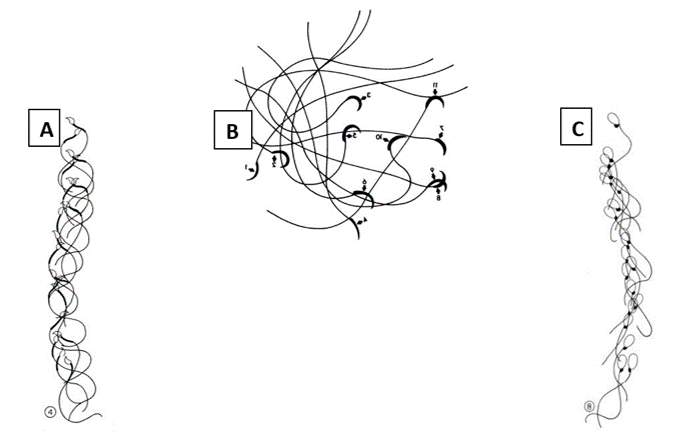
Currently, Computer Aided Sperm Analysis (CASA) systems are highly sophisticated and are used to evaluate sperm quality quantitatively by measurement of sperm concentration, motility, morphology, vitality, fragmentation, and the acrosome reaction among others. These aspects incorporate sperm functional analysis and some of these aspects relate to fertility outcome.
Furthermore, the applications of “modern” CASA are vast and it is now routinely used in predominantly four fields: human andrology laboratories/IVF centres, domestic animal breeding centres including veterinary applications and wildlife, toxicology studies using mainly rodent sperm and for research in the previously mentioned applications. However, sperm quality quantification using predominantly CASA has a long history of more than 50 years.
A recent
article by BHH member
Microptic takes you through this 50-year journey of development. It shows how difficult a road it was to get to this era of modern CASA and effectively providing a solid quantitative scientific basis for evaluating sperm quality and replacing outdated and unreliable manual sperm analysis methods.
Read more in the full article
here.