Subscribe to the Hub's Newsletter and stay up to date on the latest news, events and opportunities of the digital health ecosystem.
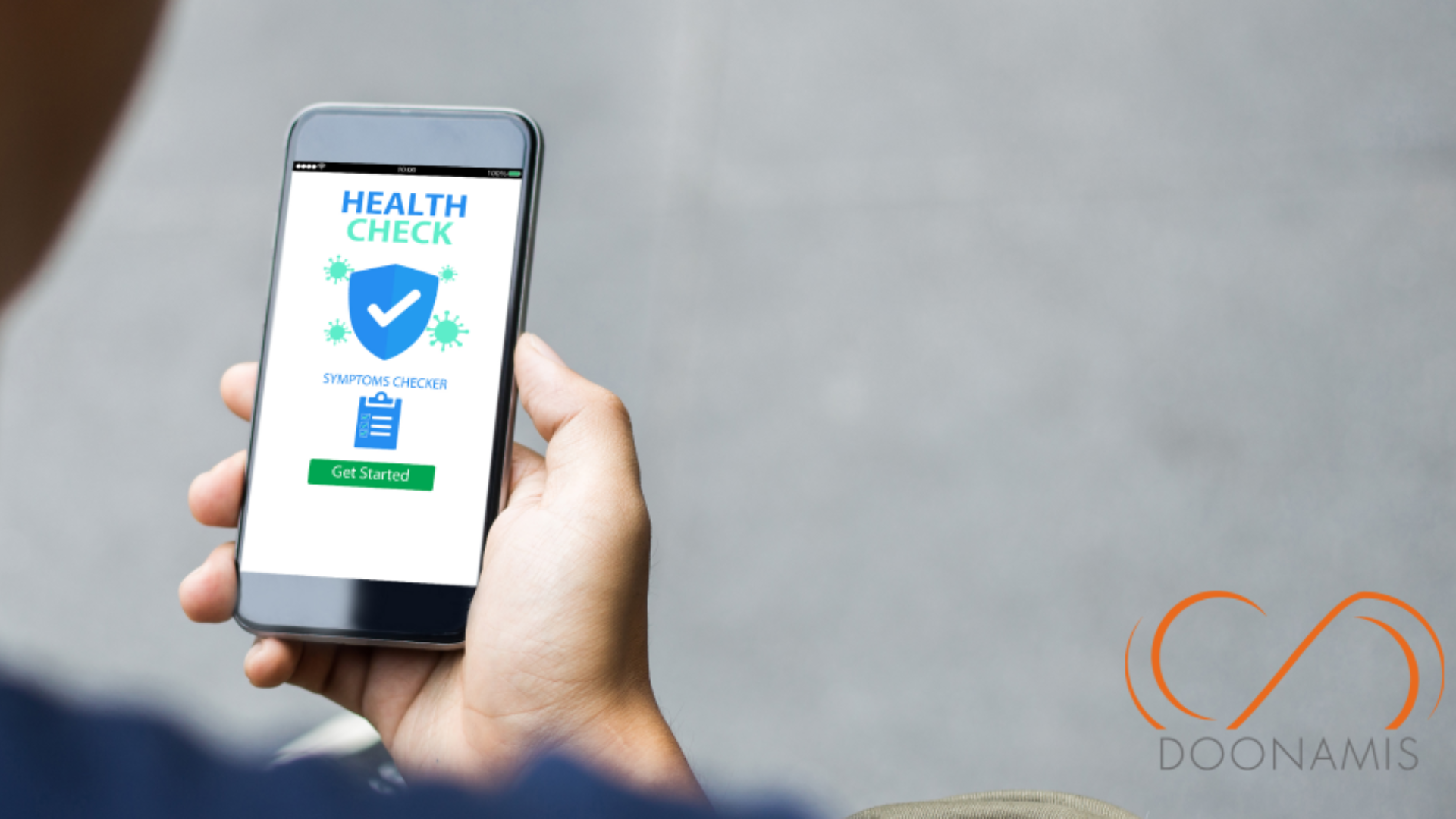


Privacy and security are critical in health apps, as they handle sensitive personal information of users. Here are some best practices that app developers should follow to ensure users' privacy and security according to BHH member Doonamis, specialists in the development of quality apps and webs. Comply with privacy regulations Health apps must comply with applicable privacy laws and regulations.
In the case of the European Union, they must comply with the General Data Protection Regulation (GDPR). The app must comply with a few medical certifications and technical specifications such as:
Collect only necessary information Health Apps should only collect information that is necessary for the purpose of the App.
This means that developers should not collect information that is not relevant to the app or information that can be used to identify an individual. Encrypt sensitive data Developers should encrypt sensitive data, such as medical information and personally identifiable information (PII), both in transit and at rest. Security verification Developers should conduct regular security testing to identify potential vulnerabilities and address any security issues identified.
User identification It is important to ensure that the user accessing the application is the same user who registered the account and that the login information is protected.
Find out more about Doonamis and read the whole article HERE.


